Traditional Chinese Knot Element. Decora
The Instant Mood: Clean Geometry with a Cultural Soul
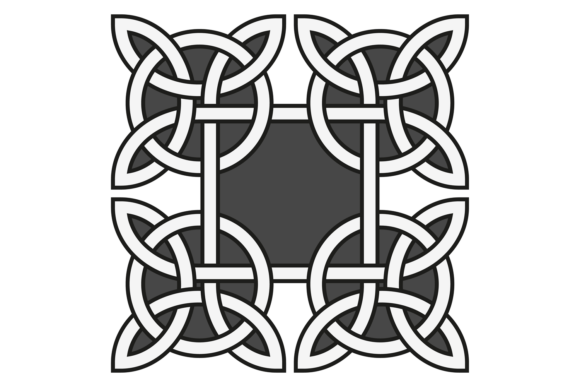
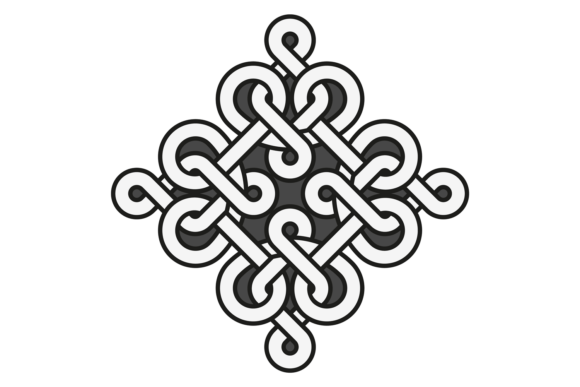
When I first opened the Traditional Chinese Knot Element. Decora file, the thing that hit me wasn’t just the crisp outline—it was the quiet confidence of the shape. This isn’t a busy, overworked ornamental piece. It’s a balanced geometric knot, isolated on white, that feels both rooted in tradition and refreshingly modern. The symmetry immediately whispered “embroidery,” because the paths are clear, the loops intentional, and the negative space just generous enough to let thread breathe. For a maker who designs with intention, this visual has a mood that lands somewhere between heritage elegance and boutique simplicity. I could already picture it on a linen tote, a nursery pillow, or the chest of a soft cream sweatshirt.
A Real-World Test: Stitching That Knot onto a Linen Tote
To give this design a true evaluation, I ran a small project: a custom embroidered tote bag for a client who sells mindful lifestyle goods. The idea was a single, centered knot in a warm terracotta thread on oatmeal linen. Since the Traditional Chinese Knot Element. Decora is a graphic asset, not a digitized embroidery file, the first step was importing the SVG into my digitizing software. This is where the real judgment begins—because a beautiful illustration doesn’t always translate to a stitch-ready path.
From Vector Graphic to Embroidery Motion
The good news? The design’s vector backbone was clean. The EPS and SVG formats opened without a mess of overlapping nodes, and the geometric structure meant I could set up a smooth blend of satin and fill stitches without fighting the artwork. For anyone new to this: the provided file types—EPS, JPG, SVG, and transparent PNG—are all starting points. The vector versions (EPS and SVG) are your best friends for digitizing, while the PNG is perfect for mockups and presentations. I kept the stitch count moderate, leaning on a 3mm satin for the outer loops and a light fill for the inner knots. The result was a design that stitched out in under 15 minutes and looked expensive beyond its run time.
Thread Choices That Make the Knot Sing
I tested three thread palettes: a monochromatic off-white on natural linen, a bold crimson on a black canvas tote, and a two-tone metallic gold with deep navy on a cotton apron. The knot’s open center and repetitive loops really came alive with a subtle sheen—metallic or rayon threads gave the design a luminous, giftable quality. If you’re using this for a sweatshirt or baby item, I’d lean toward matte 40-weight polyester for softness and durability. The key is to preview the design in black and white before committing; the knot’s structure relies on contrast, and without it, some of the inner details can get lost, especially on heavily textured fabrics.
Where This Design Delivers Its Best Work
After the tote test, I started mentally slotting this knot into other projects. It’s a natural for handmade goods that rely on a sense of calm luxury: meditation pillow covers, tea towels, book bags, and subtle wedding gift sets. Because the shape is centrally focused and not too wide, it fits beautifully on standard 4x4 and 5x7 hoops without forcing you to shrink it to the point of losing clarity. For craft fair products, an embroidered patch version of this knot, finished with a merrow edge, would sell well as a standalone accessory. The design also works as a repeat pattern for a full-coverage pillow front, but I’d only recommend that for experienced digitizers who can manage seamless tiling and consistent density.
On apparel, I’d be thoughtful about placement. A left-chest knot on a crisp button-down shirt reads as sophisticated corporate wear; centered on the back of a denim jacket, it becomes a conversation piece. The Traditional Chinese Knot Element. Decora is versatile, but it doesn’t shout—so it’s perfect for products where the buyer wants to feel like they’ve discovered something special, not something loud.
The Details That Keep You Honest
No design is without its watchpoints, and this one has a few. The inner loops of the knot, where the geometric lines intersect, can get dense if you’re not careful with digitizing. I always recommend a stitch-out on scrap fabric first—especially if you’re using a heavy stabilizer or a textured base like terry cloth. On thin or stretchy fabric, like a jersey onesie, you’ll need a firm cutaway stabilizer to prevent the knot from puckering around those tight curves. I also found that small hoop sizes (under 4x4) forced me to reduce the design so much that the satin stitches started to overlap in the center; if you’re working with a compact machine, consider scaling only the outer ring and leaving the center as a running stitch to keep it clean.
Dark fabrics deserve extra attention. A dark navy or charcoal background can swallow the knot’s delicate inner lines unless you bump up the thread contrast or add a thin outline. I’d also avoid using this design on heavily layered garments with seams, zippers, or curved cap panels—the symmetrical geometry will immediately reveal any placement drift.
How the Knot Boosts a Handmade Brand’s Story
From a branding perspective, this design brings a lot of quiet value. A well-executed Chinese knot signals care, cultural appreciation, and a design-forward mindset. When I’ve added similar motifs to my shop’s line, customers often ask about the meaning—and that opens a conversation. For a small business, that’s gold. It elevates a simple tote bag into a mindful gift, and it makes a kitchen towel feel like a curated heritage piece. If you’re selling on Etsy or at a local market, including a small card that explains the knot’s symbolism (unity, longevity, good fortune) can increase perceived value and encourage impulse buys.
I also see this working beautifully in digital product previews. Use the transparent PNG to layer the knot over your product photos before you ever stitch it out. That lets you test customer reactions and even run pre-orders without committing to a full production run. It’s a smart, low-risk way to expand your line.
The Practical Designer’s Checklist Before You Sell
Before you invest time and thread into a full batch, here’s the routine I run with any new design asset—and the Traditional Chinese Knot Element. Decora is no exception:
- Test on fabric that matches your final product. Linen, canvas, and cotton twill each behave differently.
- Check thread color contrast. What looks great on screen might vanish on oatmeal or charcoal.
- Review stitch density. Those intersecting loops can get stiff; reduce density if you feel a hard patch.
- Confirm hoop size. A 5x7 hoop is ideal; 4x4 is workable but watch inner detail.
- Inspect small details. Zoom in on the digitized preview; make sure the geometric corners aren’t overlapping.
- Test in black and white. This exposes any contrast issues instantly.
- Use proper stabilizer. Cutaway for apparel, tear-away for flat items, water-soluble topping for textured fabrics.
- Wash and dry the test piece. See how the knot holds up. A quality satin stitch should remain smooth.
- Verify licensing. The product is a Graphic/Illustration. Check the license terms before using it on items you sell, especially if you plan to digitize and resell the embroidery design itself.
As a raw design asset, the Traditional Chinese Knot Element. Decora gives you a lot of creative floor. The fact that it comes in multiple formats means you can take it from a quick mockup to a stitch-ready file without fighting your software. Just remember that the final embroidery quality depends entirely on your digitizing choices. A rushed conversion will ruin the elegance, while a careful setup will yield a product that looks crafted, intentional, and saleable. For the maker who wants to add a touch of symbolic geometry to their next collection, this one earns its place in the design library.