Black Hearts: Clean, Versatile & Embroidery-Ready
First Impressions: Simple Shape, Strong Presence
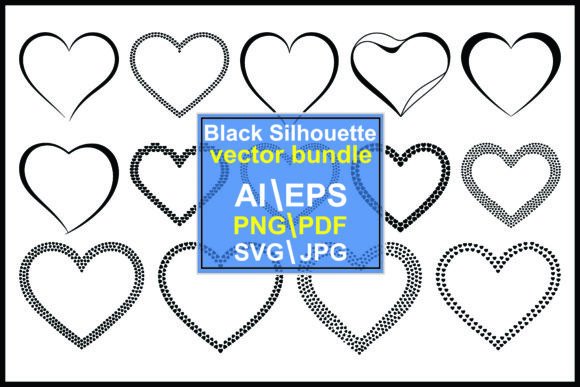
When I opened Black Hearts Various Styles and Patterns, I didn’t see clutter—I saw clarity. These aren’t fussy hearts with excessive swirls or forced realism. They’re confident, intentional shapes: bold outlines, subtle dotted rhythms, clean silhouettes, and minimal fill patterns that breathe on fabric. The “black” in the title isn’t just color—it’s tone. It signals seriousness, elegance, and quiet romance. This collection feels like a designer’s toolkit, not a holiday clipart dump. I immediately pictured them stitched on heavyweight cotton tea towels for a bridal shower gift, or as a single centered motif on a black sweatshirt for a small-batch boutique.
A Real Project Test: Embroidering a Linen Apron for a Local Bakery
Last week, I used one of the outline-style black hearts (medium scale, no fill) on a natural linen apron for a neighborhood bakery’s staff launch. Why this design? Because it held up beautifully at 3.2" tall on textured, loosely woven fabric—no bleeding, no thread nesting, no lost detail. The clean line translated directly into crisp satin stitch with minimal underlay. Customers noticed it—not as “cute,” but as *considered*. That matters when your handmade product represents a brand. The heart wasn’t shouting; it was anchoring. And because the shape is so legible at small-to-mid sizes, it scaled down perfectly for matching oven mitts without needing redesign.
Where These Hearts Shine—And Where to Pause
Black Hearts Various Styles and Patterns excels in projects where subtlety, cohesion, and craftsmanship are part of the value:
- Custom apparel: Especially on dark or mid-tone fabrics—black thread reads richly, and the clean lines avoid visual noise on sweatshirts or structured tote bags.
- Baby embroidery: The minimalist versions (like the delicate dotted heart or thin-outline style) work beautifully on onesies and burp cloths—soft, gender-neutral, and gentle on sensitive skin.
- Embroidered patches: Several designs have balanced negative space and defined edges, making them ideal for sew-on or iron-on patches—no fraying, no distortion during cutting.
- Holiday and wedding gifts: Not overly seasonal, so they stay relevant beyond February. Paired with neutral thread and natural fabrics, they feel heirloom-quality, not disposable.
- Etsy listings and small shop products: As digital embroidery files, these offer strong visual consistency across listings—think matching pillow covers, kitchen towels, and napkin sets—all unified by the same refined heart motif.
But—and this is key—not every heart in the set suits every surface. Here’s where attention pays off:
- Stretchy fabric: Avoid the densest fill-stitch versions unless you’re using high-quality cutaway stabilizer and reducing stitch density manually. Even then, test first.
- Curved surfaces (caps, hats): Stick to the thinnest outlines or open shapes. Heavy fill areas will pucker or distort on rounded crowns.
- Tiny hoop sizes (under 4"): Some dotted or patterned variants lose definition below 2". Prioritize the solid outline or silhouette styles for compact applications like cuff embroidery or baby cap fronts.
- Frequent-wash items (tea towels, kids’ clothes): Skip ultra-fine running-stitch details—they’ll fuzz or break over time. Opt for bolder outlines or moderate-density fills instead.
What This Collection Adds to Your Finished Product
It’s not just about stitching a shape—it’s about what that shape says before the customer even touches the item. Black Hearts Various Styles and Patterns elevates perceived value because it looks intentionally designed, not assembled. When customers see that clean, consistent heart on a handmade pillow cover or boutique sweatshirt, they read professionalism—not hobbyism. That builds trust, especially for Etsy sellers or craft fair vendors where first impressions happen in seconds. It also supports brand consistency: use the same dotted heart across social mockups, packaging stickers, and actual embroidery, and your shop feels cohesive, not scattered.
Practical Designer Notes Before You Stitch
Before loading any file from Black Hearts Various Styles and Patterns into your machine:
- Test on scrap fabric that matches your final project’s weight and texture—linen behaves differently than jersey, and cotton duck won’t lie like chambray.
- Check thread color contrast on both light and dark backgrounds. Black thread on black fabric? Only works if the design has strong dimensional stitching (e.g., raised satin border).
- Review stitch density in your editing software. If it’s dense, consider reducing density by 10–15% for breathable fabrics or layered garments.
- Confirm hoop size compatibility—some variations may require a 5x7" hoop minimum, especially those with extended dotted borders or repeating patterns.
- Inspect small details at 200% zoom: Are tiny dots fully digitized? Do corners taper cleanly? One jagged node can ruin a delicate outline.
- Use printable mockups in both black and white—this reveals whether the design relies too much on color contrast versus shape clarity.
- Always pair with appropriate stabilizer: tear-away for stable wovens, cutaway for knits, and medium-weight for textured linens or towels.
- Verify licensing terms before selling finished items or bundling the files in digital product kits—Black Hearts Various Styles and Patterns falls under Illustrations/Graphics, but commercial use rights must be confirmed directly with the source.
In short: Black Hearts Various Styles and Patterns isn’t filler. It’s functional design thinking made stitchable. Whether you’re building a craft business, embroidering personalized gifts, or sourcing reliable design assets for client work, this collection earns its place in your working library—not as decoration, but as a quietly confident tool.