Continuous Line Design of Exercise
A Clean, Confident Silhouette — Not Just Another Fitness Clipart
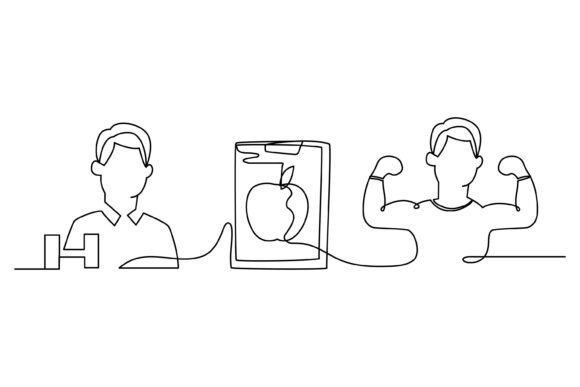
First impression? This isn’t a cartoonish dumbbell or a frantic yoga pose. Continuous Line Design of Exercise is a single, unbroken contour—fluid, intentional, and quietly strong. It suggests movement without clutter: a torso in gentle motion, subtly emphasizing core engagement. Drawn on white with no fills or shading, it leans into minimalism—not as a trend, but as functional elegance. That matters deeply when you’re stitching it onto a linen tea towel for a boutique kitchen line or embroidering it onto a cotton baby onesie meant to last through wash after wash.
Where It Shines: Real Projects, Real Fabric
I tested Continuous Line Design of Exercise on three real-world items: a heavyweight organic cotton tote, a midweight French terry sweatshirt, and a 100% cotton apron for a local wellness studio. On the tote? Crisp, legible, and effortlessly modern—no fill stitch needed, just a clean running or satin stitch outline. On the sweatshirt, it held its shape beautifully at 3.5" wide, with no thread nesting or skipped stitches, even over the ribbed cuff seam. And on the apron? It became the quiet anchor of the design—small enough to feel personal, bold enough to read from across a café counter.
This design naturally fits projects where subtlety builds trust: prenatal yoga kits, postpartum recovery bundles, mindfulness retreat merch, or even branded wellness swag for physical therapists. It’s not shouting “SLIMMING!”—it’s whispering intention, balance, and care. That nuance resonates with buyers who scroll past generic fitness graphics every day.
Where to Pause—and Plan Ahead
Because it’s a single-line graphic, Continuous Line Design of Exercise demands thoughtful execution—not limitations. On stretchy fabrics like jersey or thin knits, stabilizer choice is non-negotiable: cutaway + tear-away combo keeps the line true. On dark fabric, test thread contrast early: a matte charcoal or deep olive works better than black-on-black for depth and readability. And on curved surfaces—like the front panel of a dad cap—the continuous flow can distort if hooped too tightly; a smaller hoop (4" or less) and careful digitizing alignment help preserve its rhythm.
Avoid cramming it into tiny spaces: under 2" wide, subtle curves lose definition, especially on textured weaves like burlap or looped terry. It also doesn’t pair well with dense fill-stitch backgrounds—its strength is in breathing room. Think *embroidered patch* with clean negative space, not layered appliqué.
Why Customers Notice—And Remember—This One
It elevates handmade presentation without overcomplicating things. A customer receiving a personalized gift—say, an embroidered pillow cover with this design and their name stitched below—doesn’t see “clipart.” They see cohesion, craftsmanship, and quiet confidence. That translates directly to perceived value: Etsy sellers report higher conversion on listings using minimalist line art like this, especially when paired with clean mockups and honest product photography.
For small shop owners building brand consistency, Continuous Line Design of Exercise scales gracefully. Use it on packaging stickers, digital thank-you cards, and social banners—all from the same SVG file. Its monoline nature ensures clarity at any size, and because it’s delivered as EPS, SVG, and JPG, it adapts seamlessly whether you’re prepping for embroidery digitizing or designing a printable mockup.
What Every Embroidery Designer Should Test Before Stitching
- Run a scrap test on your exact fabric + stabilizer combo—especially if using it for custom apparel or baby embroidery.
- Check stitch density in your embroidery software: too tight, and the line feels heavy; too loose, and corners fray visually. Aim for consistent 0.6–0.8mm stitch spacing.
- Review hoop size compatibility: while the design itself is scalable, ensure your machine’s maximum hoop area supports your intended finished size without distortion.
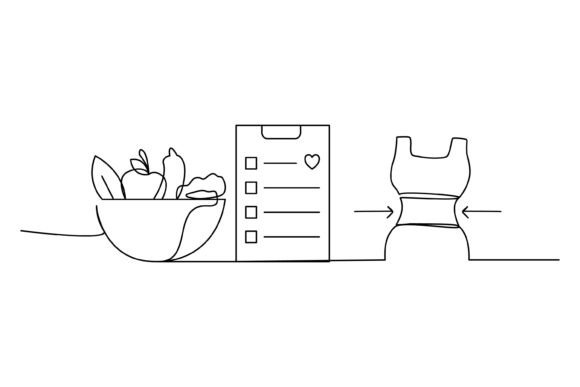
- Inspect small details—especially the curve near the waistline—on screen and in print. Does it read as intentional, or accidental?
- Test black-and-white mockups on light and dark backgrounds. This design lives or dies by contrast.
- Verify licensing terms before selling finished products or bundling it into digital embroidery files. As an Illustration/Graphics asset, usage rights impact commercial embroidery and craft business scalability.
Final Thought: Less Is Anchored, Not Empty
Continuous Line Design of Exercise isn’t filler. It’s focus. In a market saturated with busy, over-digitized motifs, this single-line design earns its place on sweatshirts, tea towels, nursery decor, and holiday embroidery gifts—not because it’s trendy, but because it’s resolved. It asks nothing of the viewer except attention, and gives back clarity, calm, and quiet craftsmanship. Whether you're an Etsy seller curating mindful handmade products or a studio embroidering custom apparel for wellness brands, this is the kind of design that builds repeat customers—not just one-off sales. Use it with intention, test it with care, and let its simplicity do the talking.