Cute Pink Flower: A Designer's Real-Stitch Review
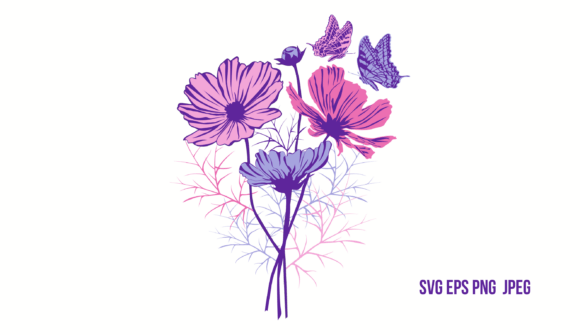
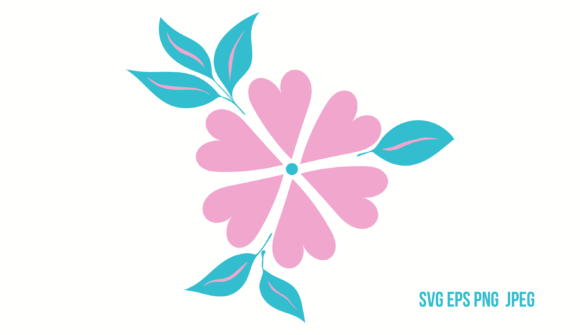
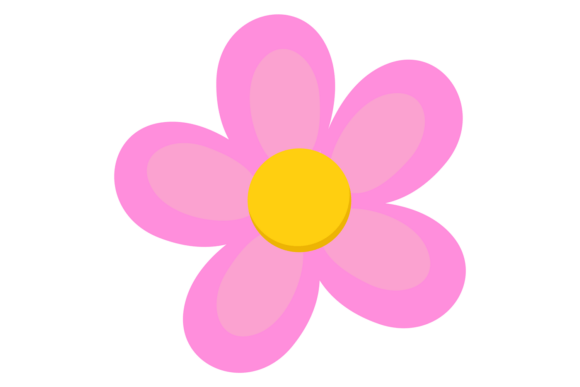
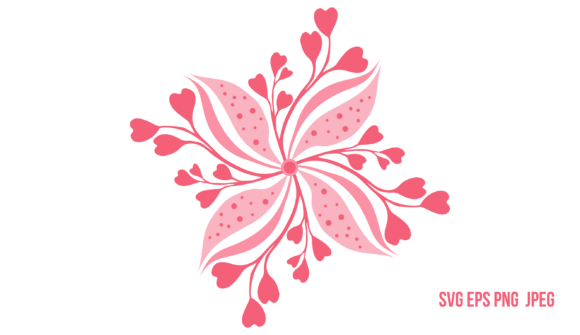
When I first opened the Cute Pink Flower design, I immediately felt that soft, graceful pull of Art Nouveau influence. The description mentions inspiration from lilies and peonies, and honestly, that comes through in the elegant, flowing lines. It is not a stiff, overly symmetrical floral. Instead, the composition has a gentle movement, almost like a breeze is passing through the petals. The smooth forms and organic curves give it a romantic, slightly vintage mood without feeling dated. For someone who has tested hundreds of embroidery files, this kind of visual personality matters. It sets the tone for the finished product long before the machine starts stitching.
As a reviewer who thinks about real-world use, my mind immediately went to how Cute Pink Flower would behave on different materials. The Art Nouveau styling means the design leans on elegant linework and flowing shapes rather than heavy, dense fills. That is a good thing for stitchability. Smooth curves translate beautifully into satin stitch outlines, and the floral motif feels naturally suited to projects where you want a delicate, handcrafted look. I could already picture this on a soft linen pillow cover or a lightweight cotton tote bag, where the graceful lines would not compete with fabric texture.
First Impressions and the Art Nouveau Mood
There is a quiet confidence in this design. It does not scream for attention. Instead, the Cute Pink Flower pattern feels like it belongs in a boutique window display or a carefully curated nursery. The inspiration from nature, particularly lilies and peonies, gives it a lush, organic feel. The elegant lines are not overly complex, which is a relief for embroiderers who have dealt with designs that look stunning on screen but turn into a tangled mess on fabric. The smooth forms suggest the digitizer understood how thread behaves. Curves appear intentional, not choppy, and the overall layout seems balanced for a variety of hoop sizes.
I must note that the description cuts off mid-thought, so I cannot confirm the full intended aesthetic. However, the emphasis on Art Nouveau style tells me this is a design that values decorative beauty over rigid realism. That is a smart choice. Decorative florals are incredibly versatile in the embroidery world. They work on apparel, home decor, and personalized gifts without feeling trendy or seasonal. The Illustrations category placement makes sense here, this is a graphic-driven, artistic piece rather than a realistic botanical study.
Where This Design Naturally Belongs
After spending time visually analyzing the composition, I started mentally slotting Cute Pink Flower into actual projects. The first and most obvious fit is custom apparel. A single placement on a crewneck sweatshirt, slightly off-center, would look effortlessly chic. The Art Nouveau curves would complement the soft drape of quality fleece. On a t-shirt, I would position it as a left chest design or a subtle back neck accent. The floral theme feels approachable and wearable, which is exactly what customers browsing craft fair booths or Etsy listings tend to gravitate toward.
Home decor is another strong category. Picture this design stitched on a set of linen tea towels. The elegant lines would catch the light beautifully, and the pink flower motif adds just enough color without overwhelming a kitchen palette. Pillow covers, especially those in natural cotton or soft blush tones, would carry this design well. I also see strong potential for nursery decor. The gentle, flowing shapes feel soothing, and the floral theme is timeless for baby items like blankets, bibs, or a framed hoop art piece hanging above a crib.
For small business owners and handmade shop owners, Cute Pink Flower offers solid giftability. A personalized tote bag with this design and a monogram would sell well during holiday markets. Embroidered patches are another avenue. The smooth outlines could be adapted into a patch format, though I would carefully test stitch density on a smaller scale before committing to a full patch run. The design's visual appeal holds up when you imagine it on a denim jacket, a canvas apron, or even a soft cap, provided the curvature of the hat does not distort the flowing lines.
Thinking Through Fabric and Hoop Realities
No design review is complete without a cautionary section, and Cute Pink Flower is not exempt from practical limitations. The elegant lines that make it so appealing on screen can become fragile on certain fabrics. Thin, stretchy materials like lightweight jersey or ribbed knits could cause the satin stitch outlines to pucker or shift. I would strongly recommend a cutaway stabilizer for any apparel project, and a topper if the fabric has a nap, like fleece or terry cloth. Without proper stabilization, those smooth forms might lose their crisp definition after the first wash.
Small hoop sizes present another consideration. If the design contains fine details, shrinking it down too aggressively could cause thread breaks or a muddy appearance. I always advise embroiderers to test the design at the intended size on scrap fabric before committing to the final product. Check how the fill stitch behaves in the petal areas. Does the density feel appropriate, or does it pull the fabric? A quick test stitch reveals these truths faster than any visual preview. I also recommend viewing the design in a black and white mockup. This old designer trick helps you assess tonal contrast and line clarity without the distraction of color. If the shapes hold up in grayscale, they will likely read well on a variety of fabric backgrounds.
Dark fabrics deserve special attention. The pink flower theme suggests a light, airy palette, but placing a predominantly light design on a dark background can sometimes look washed out if the thread coverage is not dense enough. I would test the design on a charcoal or navy swatch to see if the colors pop adequately. If saturation is lacking, a slight adjustment in thread color selection, perhaps a warmer pink or a subtle outline in a slightly darker tone, can make a dramatic difference. These small tweaks separate a handmade product that looks professional from one that looks uncertain.
The Customer Perception Factor
When I evaluate a design like Cute Pink Flower, I am not just thinking about stitch quality. I am thinking about how a buyer scrolling through Etsy or browsing a craft fair booth will react. This design communicates softness, care, and a touch of vintage elegance. That is a strong emotional foundation for a purchase. Customers buying personalized gifts, especially for occasions like Mother's Day, baby showers, or bridal parties, are drawn to florals that feel intentional rather than generic. The Art Nouveau influence gives this design a distinct personality that stands out from the sea of basic daisy and sunflower motifs.
Brand consistency is another angle. For small shop owners building a recognizable aesthetic, Cute Pink Flower could become a signature element. Its elegant lines and smooth forms work well alongside other decorative or botanical designs. I could see it as part of a seasonal collection, perhaps paired with coordinating leaf motifs or geometric borders. The cohesive look helps build customer trust and encourages repeat purchases. When buyers recognize a shop's style, they feel more confident clicking "add to cart" for a gift or a treat for themselves.
Product presentation matters too. If you are using this design as a digital embroidery file for your own products, mockups are everything. The flowing shapes photograph beautifully, especially on textured fabrics like linen or oatmeal-colored cotton. The pink tones photograph well in natural light, which is a bonus for sellers who rely on lifestyle imagery. A well-stitched version of this design on a simple tote bag, photographed against a sunlit backdrop, tells a compelling story without needing much explanation. That kind of visual appeal drives engagement and can lift a product listing above the competition.
Practical Notes for Embroidery Designers and Makers
Before you stitch out Cute Pink Flower for a client project or a commercial product, run through a standard checklist. Confirm the hoop size compatibility with your machine. The design might fit a standard 4x4 hoop, but if the flowing lines extend outward, you may need a larger hoop to avoid cropping the elegance. Review the stitch density, especially in the petal fills and curved outlines. A denser satin stitch can look luxurious but may also cause puckering on lighter fabrics. Balance is key.
Thread color selection is another area where this design shines. The pink flower theme gives you flexibility. A soft blush palette creates a romantic, vintage feel, while a brighter coral or magenta pushes it toward a more modern, playful look. I would test a few colorways on scrap fabric before committing to a full production run. The design's smooth forms are forgiving enough to handle subtle color shifts, but strong contrast choices can change the entire mood. An experienced embroiderer knows that thread choice is half the design.
- Always test stitch first. No matter how beautiful the preview looks, the real test happens on fabric with your specific thread and stabilizer combination.
- Check the design file details. Confirm the available formats, stitch count, and color stops before purchasing. The product description does not specify these, so reach out to the seller if needed.
- Review commercial licensing. If you plan to sell finished products featuring this design, verify that the license allows commercial use. Many digital embroidery files come with personal-use-only terms unless stated otherwise.
- Consider the fabric carefully. Lightweight cottons, linens, and stable knits are ideal. Avoid overly stretchy or thin fabrics unless you are confident in your hooping and stabilization technique.
- Inspect small details. Look closely at the design's intricate curves and petal overlaps. These areas can be vulnerable to thread breaks or registration issues if the digitizing is not precise.
Where Cute Pink Flower Performs Best
After all this analysis, I keep circling back to the same conclusion: Cute Pink Flower is a design that thrives in thoughtful, detail-oriented projects. It is not a rush job design. It rewards careful fabric selection, deliberate color choices, and patient hooping. The Art Nouveau aesthetic, with its elegant lines and smooth forms, feels elevated and intentional. This is a design for makers who care about the finished product looking handcrafted in the best possible way.
For Etsy sellers creating personalized tote bags, boutique apparel decorators adding romantic accents to sweatshirts, or hobbyists stitching a heartfelt gift for a loved one, this design delivers genuine value. The floral motif is universally appealing, the style is distinctive without being niche, and the overall composition leaves room for creative pairing with monograms, quotes, or complementary designs. I can see it becoming a go-to asset in a small shop's digital library, pulled out for spring collections, baby shower gifts, and wedding-related merchandise.
One final note on the Graphics product type: while this is an embroidery design, its roots in the Illustrations category mean it likely originated as a well-crafted graphic concept. That artistic foundation shows in the flowing lines and thoughtful composition. Good embroidery starts with good design, and this piece has the bones of something that will stitch out beautifully when given the proper care and attention. As always, test first, trust your instincts, and let the design speak through the finished product.